
Chapter No. 01 · The Memoir · 7 min
The Memoir, Prologue: From the Desk of The Last Romantic
The Black Sheep of the Family
I was five years old when I learned that the safest place in the world was a closet.
This was shortly after The Craziest Incident of My Childhood and Possibly My Whole Life — the one that flipped our universe on its head and made every room in that house feel like a held breath. My grandmother’s grief had curdled into something volatile, something that swung between silence and eruption with no warning, and I was too small and too soft to survive it in the open. So I disappeared.
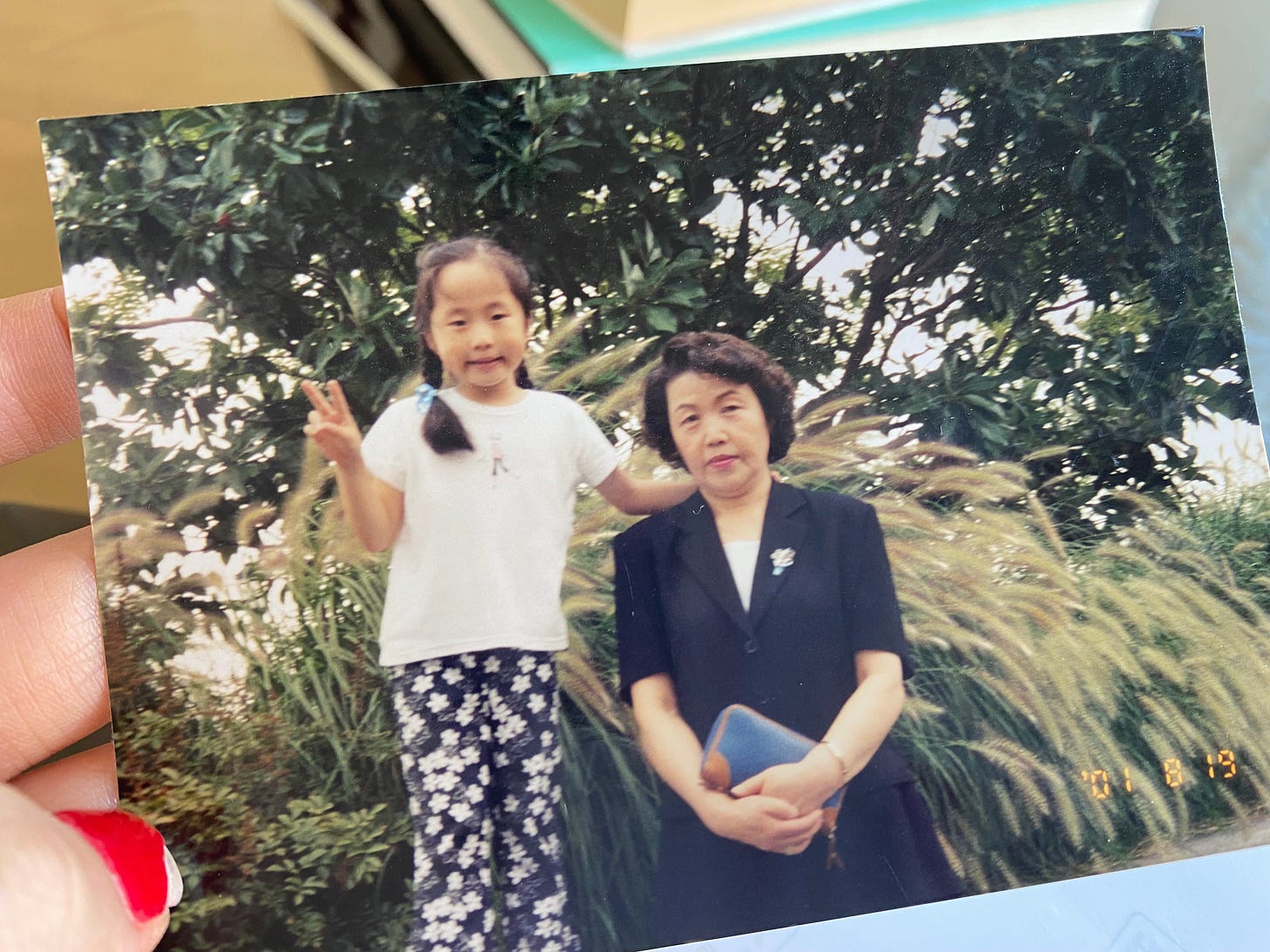
I crawled into the dark, pulled the door shut behind me, and sat with a crayon in my hand. Eyes closed. And I built a world. Not this one — a better one, drawn from nothing, held together by sheer will and Crayola. I hadn’t read Narnia yet; boy, was I in for a treat.
My grandmother called people. She called the police. They found me. They scolded me — this five-year-old sitting in the dark with a crayon — for worrying her.
I didn’t say a word.
There was a piece of hope I held in my tiny chest that day, something I couldn’t have named at the time but which I understand now with the clarity of someone who has spent decades circling back to the same truth: I was going to draw my way out of this. Not out of the closet — out of the story I’d been born into. The one where I was the problem. The one where my feelings were an inconvenience. The one where love came with conditions I could never quite meet.
Come to think of it now, I think that was me knowing — before I had language for it — that this story would be written. Not just written. Shared. That the testimony of a girl in a closet was worth more than the silence she was trained to keep.
But of course, I carried immense shame — misplaced shame that wrapped itself around everything I touched for decades. Shame is a shapeshifter. It doesn’t announce itself as shame; it shows up as the conviction that you are too much and not enough in the same breath.
Growing up, I filled an insane number of diaries and journals — the kind of compulsive documentation that, in retrospect, was my nervous system trying to create a witness where none existed. Close friends in school always wanted to peek inside. But those pages held too much pain, and pain without context is just spectacle. So I kept them locked.
And then, in fits of terror that the truth might find its way out, I burned them. I destroyed my own records. I negotiated with the past — traded my history for the illusion of a clean slate. And I spent a lot of my life trying to fit in. I think that’s where the gaps in my memory became semi-permanent. Not because time erased them. Because I did.

Freud would call this Nachträglichkeit — deferred action, the way trauma only becomes traumatic in retrospect, when the mind finally has the architecture to understand what happened. I didn’t have that architecture yet. I just had a match and a diary and the desperate hope that if I destroyed the evidence, maybe it never happened at all.
Nobody taught me how to feel my own feelings. I had to learn that from scratch — am still learning it, if I’m honest, in a therapist’s office at thirty, reverse-engineering the emotional education I should have gotten at three.
What I did learn, early and well, was how to think. I could analyze, dissect, take apart any situation and lay out its components like a mechanic with an engine block. I could read people the way some people read sheet music — every micro-expression, every shift in tone, every unspoken expectation mapped and catalogued before they’d finished their sentence. The why of everything. Because understanding why someone was about to hurt me was the only currency I had. Anticipation was survival.
But expressing what I felt? That got me hit. Or dismissed. Or told I was being dramatic, being difficult, being too much. So I learned to walk on eggshells — which, if you’ve never done it, is not a metaphor for carefulness. It’s a metaphor for making yourself so small that you stop existing as a person and become a function: the peacekeeper, the fixer, the one who absorbs impact so the room stays quiet.
I buried everything. Deep. In the kind of place you bury things when you’re not sure you want to find them again.
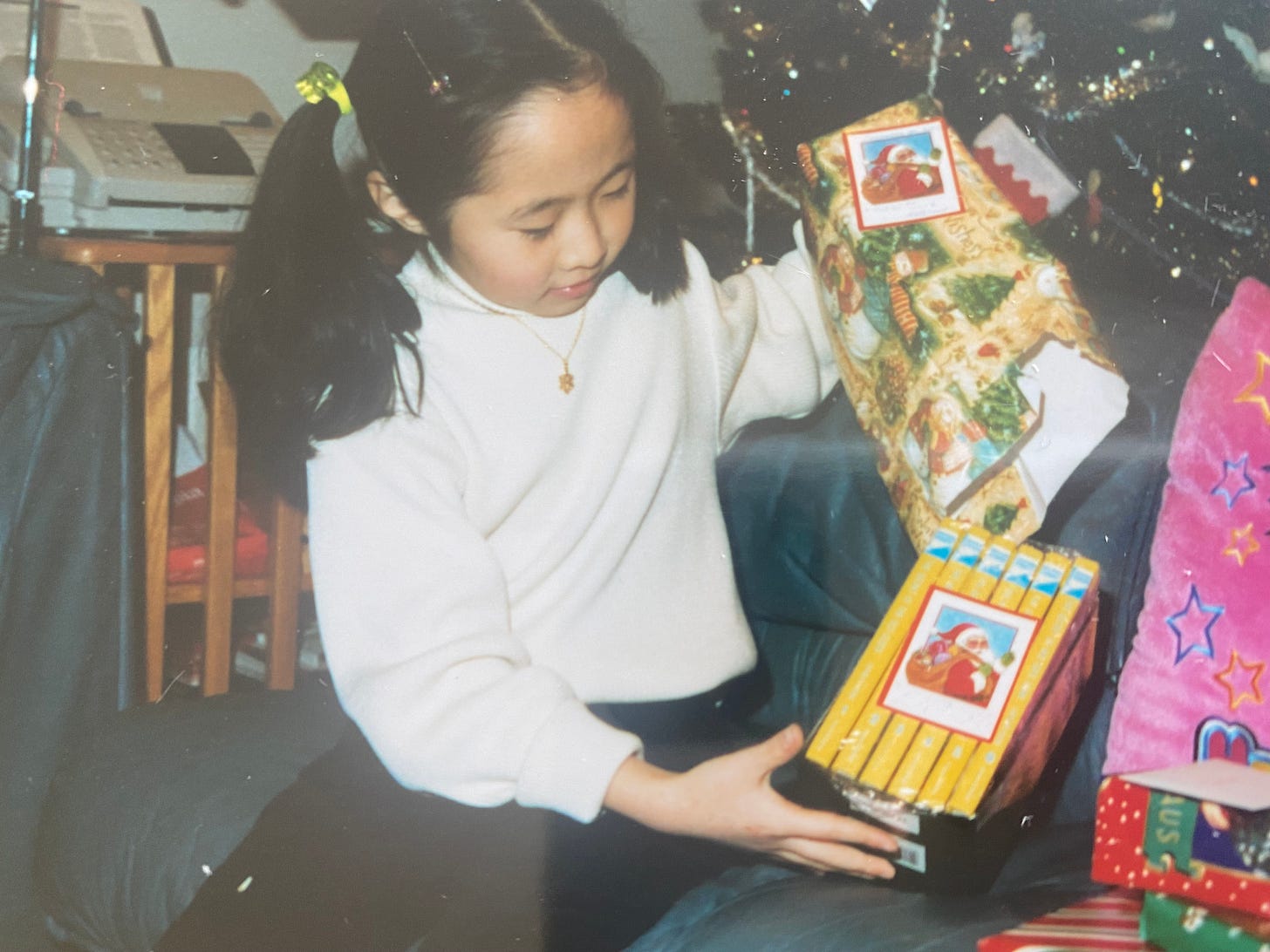
As recently as my last divorce, I was still doing it — still analyzing instead of feeling, still giving the benefit of the doubt to people who hadn’t earned it, still being generous about my own suffering as though generosity toward those who hurt you is a virtue and not a cage.
It took me a while to stop. To put down the scalpel, stop performing the autopsy, and just sit with the body.
And when I did — when I finally sat still long enough to ask the simplest, most terrifying question a person can ask themselves: What do I actually feel? — here is what I found:
Dismissed. Invalidated. Punished. Robbed. Exhausted. Depleted. Betrayed. Abused.
Eight words.
And then I asked the question that broke everything open: When did I first feel this way?
And it all rushed back. Every closet I’ve ever hidden in.
And I realized those eight words? They held thirty years of evidence behind each one.
Because here is what I need you to understand before we go any further: I hid in my closet during the worst fights of my last marriage.
I am a woman with a career and a dog and a Substack and opinions, and when my nervous system hit a wall it couldn’t climb, it reached for the same solution it found at five. I folded myself into the dark and waited for the danger to pass. Not because I chose it — because trauma doesn’t ask permission. It moves through the body like water through a crack in the foundation. Van der Kolk was right: the body keeps the score. But he left out the part where it keeps playing the same song on repeat, across decades, across marriages, across every version of yourself you’ve tried to become.
I still dream about that closet. The original one. And I think it holds more than I’ve been willing to admit: not just the memory of a frightened girl, but the entire architecture of how I’ve moved through the world — hiding who I am, dimming the fire I come from, burying the past. And the devastating thing I’ve come to understand is that I wasn’t doing it for me. I was doing it to protect the people who harmed me.
That ends here.
I know what it feels like to be a child who deserved unconditional love and got conditions instead. I know what it feels like to be an adult who still flinches at tenderness, who still scans every room for the exit, who still mistakes hyper-vigilance for intuition.
And I have met enough people like me now — forged from fire, rebuilt from rubble — to know that I am not alone. That there is an entire nation of us, walking around with closets in our chests, drawing worlds in the dark.
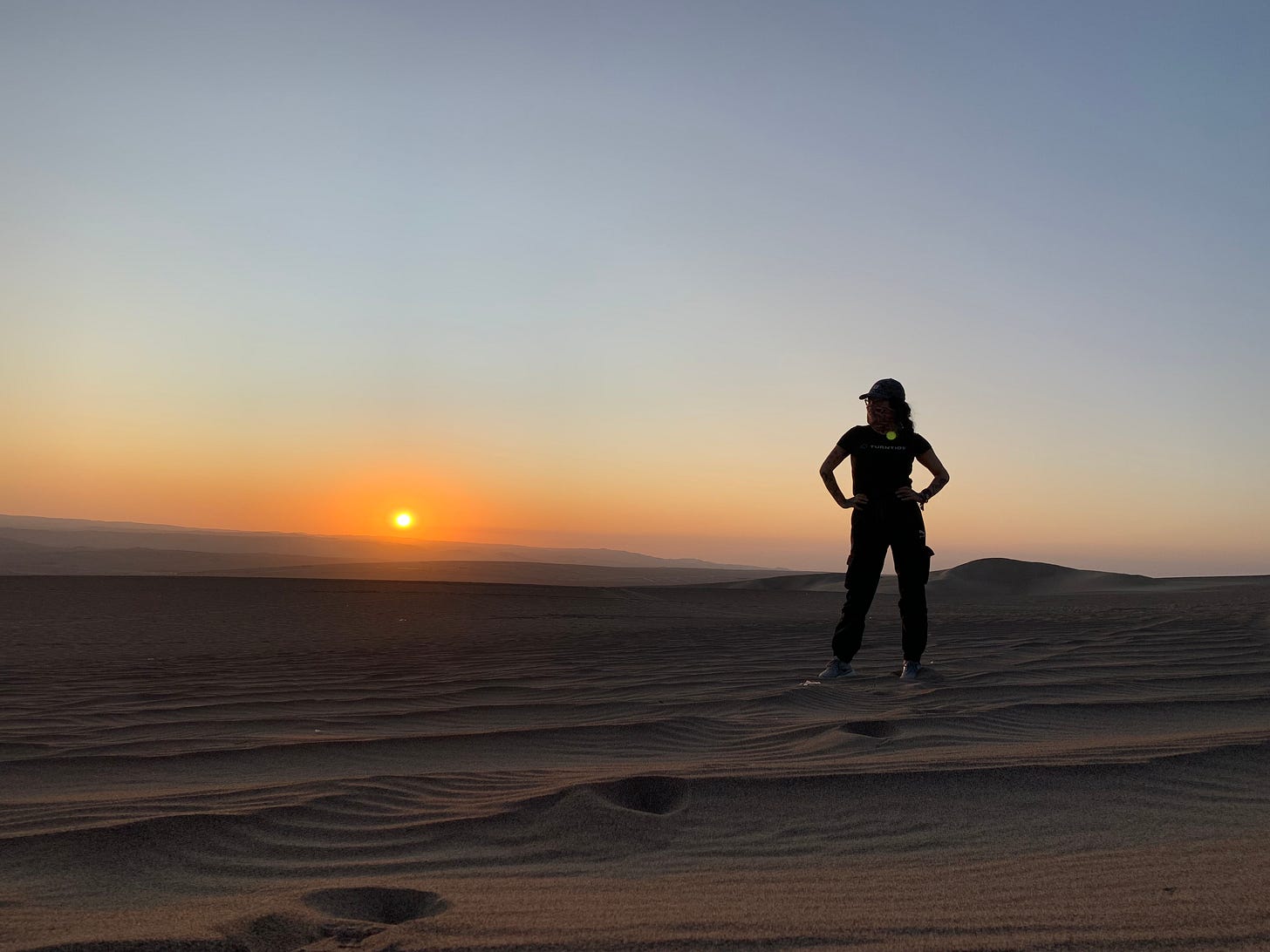
This book is for us. The scared children and the grown-ups who still reach for the shadows at the first sign of love.
I’m done hiding. And I brought a crayon.
The Memoir
The memoir is being written now.
Subscribe and chapters reach you as they’re drafted, long before the book is bound.